Carara National Park Birding Tour: Avifauna Guide & Target Species

Updated: Sep 10

Carara National Park is a key destination for birdwatching and avitourism in Costa Rica. Conveniently situated in the Central Pacific region (only 1.5 hours from San José and near Jacó and the Tárcoles River), this area offers a distinctive ecological transition zone where Northern dry forest species converge with Southern humid rainforest species. Its well-maintained, accessible trails enable visitors to discover the diverse local birdlife starting early in the morning

Target Species & Local Avifauna Specialties
With over 400 species recorded in the area, Costa Rica birdwatching reaches a high point inside this forest, allowing birders to add sought-after specialties and endemics to their lifelist
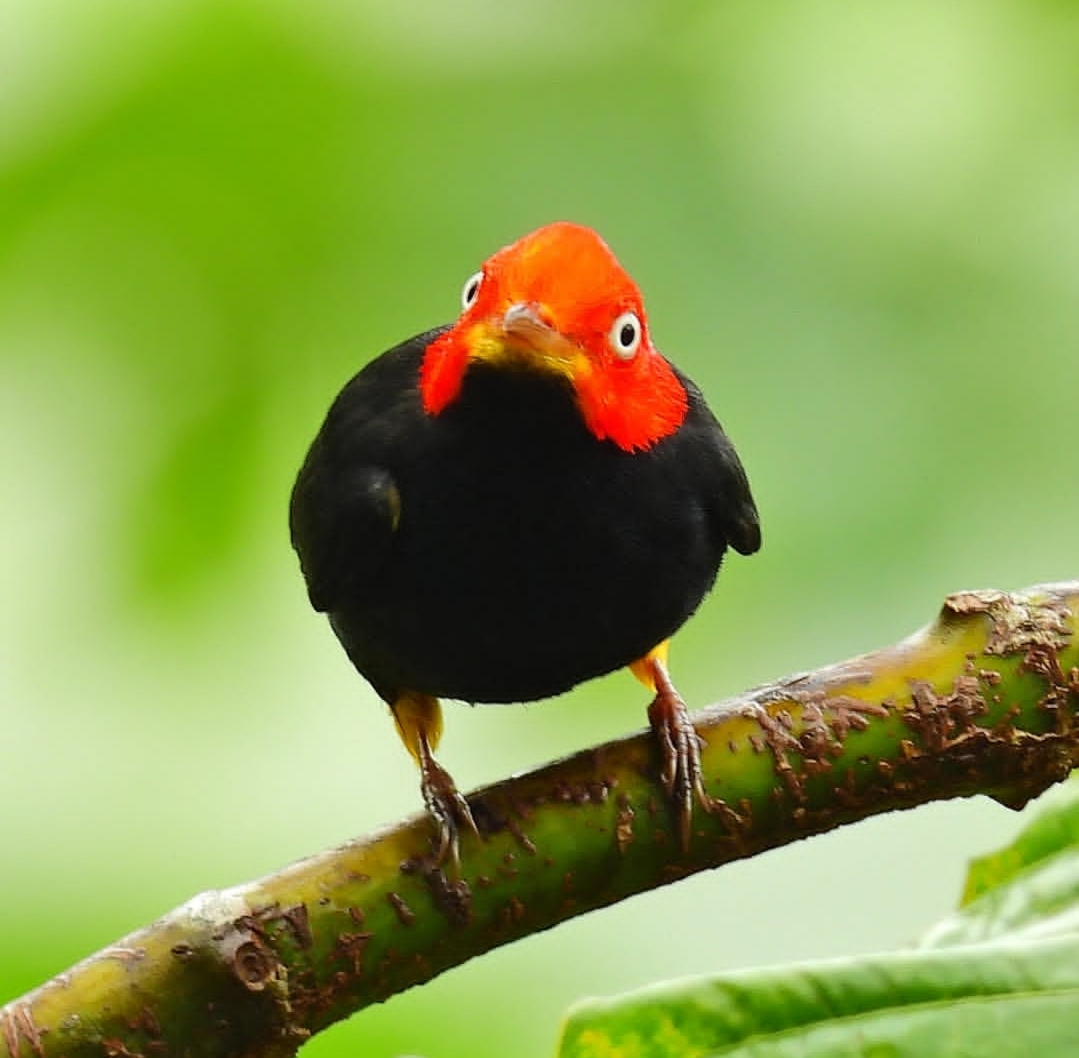
Central & South Pacific Targets: Baird’s Trogon (Trogon bairdii), Orange-collared Manakin (Manacus aurantiacus), Fiery-billed Aracari (Pteroglossus frantzii), and Black-hooded Antshrike (Thamnophilus bridgesi).
Interior & Understory Specialists: Black-faced Antthrush (Formicarius analis), Streak-chested Antpitta (Hylopezus perspicillatus), Rufous-tailed Jacamar (Galbula ruficauda), and King Vulture (Sarcoramphus papa).
Scarlet Macaw Sanctuary: This natural refuge shelters one of the healthiest protected populations of Scarlet Macaws (Ara macao), offering frequent sightings of pairs and flocks flying across the canopy at dawn and dusk
Opening Hours & Early Bird Option (5:30 AM)

The official park opening hours are from 8:00 AM to 4:00 PM. For birding enthusiasts looking to capitalize on peak activity at dawn, we offer a 5:30 AM pre-tour exploring the surrounding areas before the park gates open
Edge Species & River Basin: Exploration along rural roads, open habitats, and areas near the Tárcoles River.
Open-Habitat Wildlife: Perfect for spotting Scarlet Macaws in flight to their feeding grounds, toucans, morning raptors, and aquatic birds.
Seamless Transition: At 8:00 AM, we head directly to the main park entrance to explore the dense forest interior
Personalized Guiding & Post-Tour Meal (Optional)
To locate the most elusive species in dense tropical vegetation, an expert birding guide is crucial. Throughout the tour, you will receive attentive, patient, and dedicated guidance from a local expert equipped with a high-precision spotting scope (ideal for digiscoping). Your guide will assist you in spotting and identifying cryptic understory species by both sight and sound.
At the end of the hike, we offer the option to join you for a traditional breakfast, lunch, or coffee (depending on your schedule and preference) to:
Review the Bird Checklist: Go over and formally log all species spotted during the morning (on eBird or your personal list).
Q&A & Insights: Discuss vocalizations, field marks, and behaviors of the birds observed.
A Friendly Wrap-Up: Enjoy a relaxed, welcoming conversation as a token of appreciation for choosing our service.
📌 Strategic Birding Lodges Near Carara National Park
To maximize your birding itinerary and stay within quick reach of the park gates at dawn, here are top-rated lodges suited for birdwatchers in the area:
Hotel Villa Lapas / Santa Lucía Jungle Hacienda: Directly adjacent to Carara National Park, featuring a 500-acre private reserve. Its suspended canopy bridges (Sky Way) offer canopy-level birding up to 50 meters high—ideal for spotting toucans, trogons, and Scarlet Macaws.
Cerro Lodge: Perched in the hills near Tárcoles, this lodge is world-renowned among birders. Its fruit feeders and sweeping views over the river basin attract daily visits from Scarlet Macaws, toucans, and open-habitat species.
Macaw Lodge: An eco-lodge nestled in the mountains of Bijagual (pre-montane transitional forest). With over 350 recorded species in its private reserve, botanical gardens, and peaceful setting, it is a favorite for serious birdwatchers.
Hotel Punta Leona: Located just minutes from Carara, its private reserve protects coastal rainforest patches ideal for spotting seabirds, raptors, and tropical understory species.


Comments